
Chevy Silverado 1500 and GMC Sierra 1500: Where to Start on a Build
Chevrolet, Silverado 1500, Gen 3 (K2XX) and Gen 4 (T1XX), 5.3L V8, 6.2L V8, 2.7L Turbo I4
The Silverado 1500 and Sierra 1500 are the same truck underneath, and most engine and exhaust parts cross over. A plain guide to which engines the catalog actually covers, a sensible first build order, where the honest power data is and is not, what needs a shop, and what to skip.
We earn a commission if you buy through links on this page. Prices are the same for you. Full disclosure
The Chevrolet Silverado 1500 and the GMC Sierra 1500 are the same truck under the sheet metal. Same platform, same engines, same exhaust routing. The aftermarket treats them that way, and this catalog reflects it: of the 153 active parts listed for the two trucks, 28 are the same part sold to both. Same brand, same part number, same price, same published figures, listed once under Chevrolet and once under GMC.
That is useful when you shop. If you own a Sierra and the part you want only shows up under Silverado, that is usually a listing gap, not a fitment problem. Confirm it anyway, because several rows note that a retailer page named only one of the two trucks.
The same part, both badges

RideBuildList earns commissions from some retailer links.
One Corsa cat-back for the 6.2L, two listings. Corsa's own page claims +17 hp and +16 lb-ft. That is a manufacturer claim, not an independent dyno test.
Cold Air Inductions publishes an average of +12 hp, up to +14 hp at the wheels, confirmed for both trucks. It does not fit eAssist models and cannot ship to California.
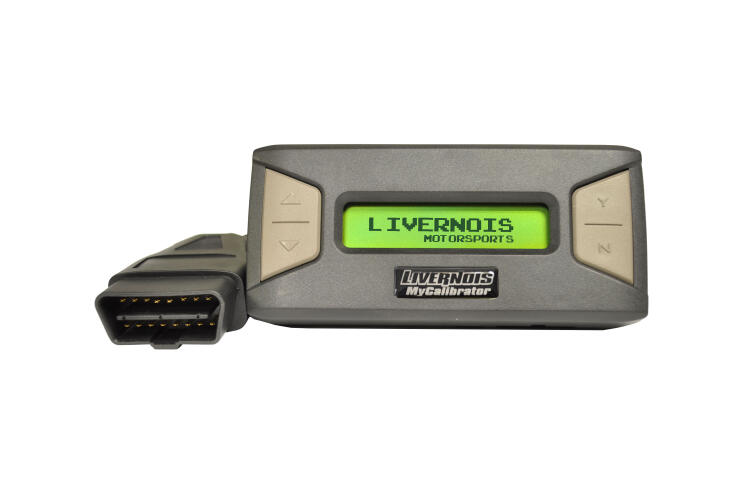
The same handheld tuner for both 2014-2018 6.2L trucks. Livernois states over 27 wheel horsepower and 47 wheel torque on 93 octane. Their own number. Not sold in California.

Even at the top of the price range the crossover holds. One Whipple kit, both trucks.
What engines are actually covered
| Engine | Parts listing it | Where the depth is |
|---|---|---|
| 6.2L V8 | 109 | Superchargers, intakes, headers |
| 5.3L V8 | 103 | Intakes, tunes, cat-backs, headers |
| 2.7L Turbo I4 | 64 | Almost all wheels, tires, lights |
Those totals overlap, because 57 of the 153 parts are wheels, tires, suspension and lighting that fit any engine. Strip those out and 96 parts are engine specific. That is where the real split shows.
The 5.3L and 6.2L are covered about evenly. Intakes run 11 and 10, headers 9 and 9, cat-backs 8 and 8. The 6.2L pulls ahead only on forced induction, 13 supercharger kits against 8. Engine codes show up on the rows: the Magnuson kits name the L84 5.3L, the L87 6.2L in 2019 and newer trucks, and the L86 6.2L in 2014-2018 trucks.
The 2.7L turbo four is the thin one. Remove the wheels and lights and it has 8 parts total: 2 intakes, 2 tuners, 4 charge pipe pieces. No cat-back, no headers, no supercharger.
A sensible first build
Step one, intake
The cheapest engine part here, and the easiest to undo.
The cheapest breathing mod here and a genuine 30 minute driveway job. Airaid publishes no horsepower number, you keep the stock airbox, and the filter needs re-oiling. Coverage stops at 2023.

Injen claims up to 13 hp and 14 lb-ft from its own in-house dyno. The dry filter is the practical reason to pick it: no re-oiling step at service time.
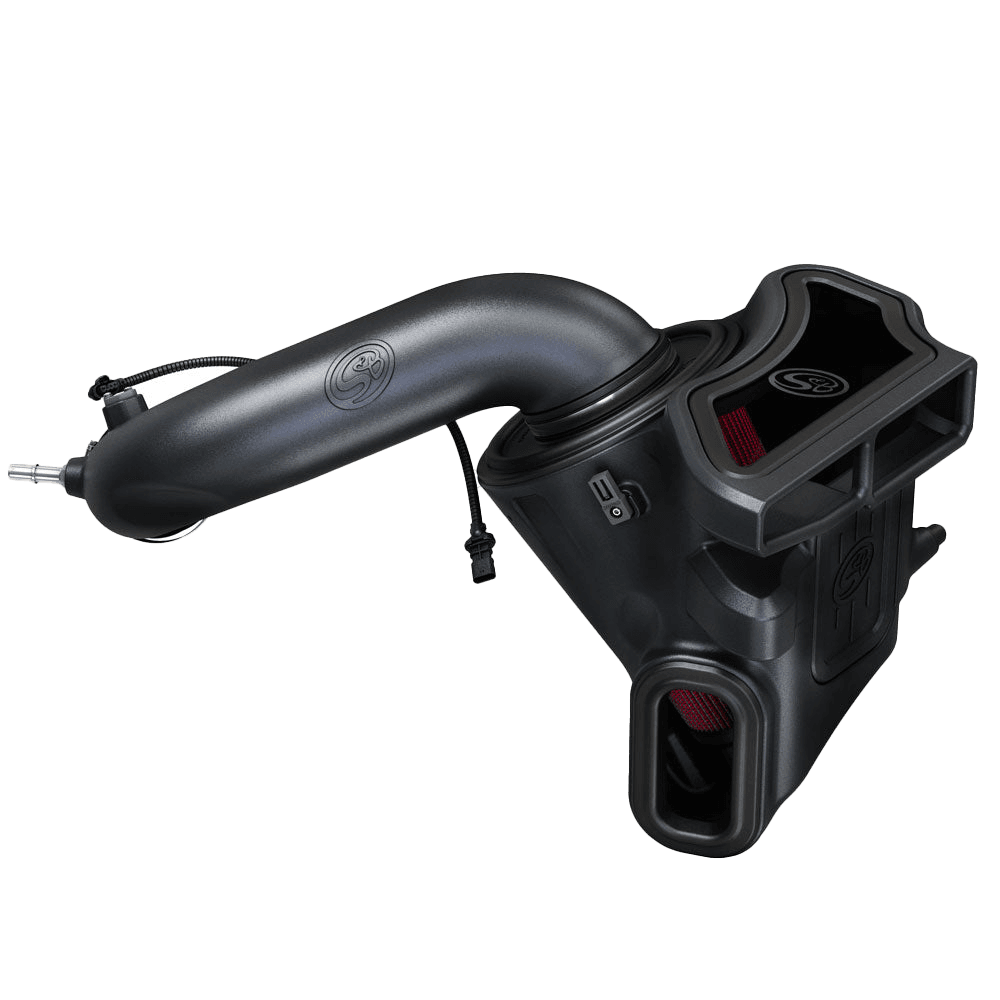
S&B makes no horsepower claim at all. What it publishes instead is measurable: 51.69 percent more airflow than stock, and 99.30 to 99.59 percent filtration efficiency. If your truck sees gravel, that second number matters more.

For 6.2L trucks from 2019 on. No hp or tq figure is published for this part number, so nothing is claimed here.
Step two, the tune
Where most of the honest gain lives, and where the paperwork starts.
The cheapest route into a genuine custom calibration, because you buy the tune file only. That is also the condition: it assumes you own a compatible SCT, DiabloSport or HP Tuners device, itself a several hundred dollar purchase. No power figure is published.

Not a tune. An ECM unlock service that makes no power on its own. The computer comes out of the truck, ships both ways and goes back in, and you still need a device and a calibration after.
One of the few tuners with a number attached: over 29 wheel horsepower and 34 wheel torque on the 5.3L with the 93 octane file, per Livernois. Check your transmission, because it only works with the 6 speed and most 5.3L Silverados came with an 8 or 10 speed.
Step three, exhaust
Buy exhaust for the sound. Treat any power as a bonus.

The cheapest real cat-back here for the 5.3L. Nobody has published a gain figure for it, and the row says so plainly.
Claims +21 hp and +26 lb-ft, the largest cat-back claim here. That is Flowmaster's own figure, found on a reseller listing rather than Flowmaster's page, so read it as a best case.
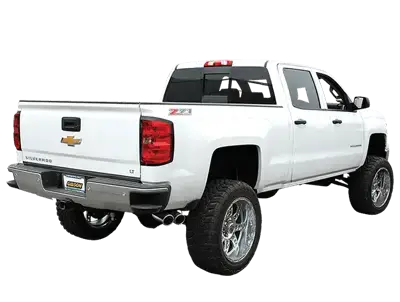
Gibson is the only one that says where its claimed gains land: +10 to +15 hp and +15 to +20 lb-ft, optimized for 1,800 to 3,000 rpm, the range you tow in.
If you have the 2.7L turbo

The only dyno tested intake gain claim found for this engine, up to +25 hp and +30 lb-ft. It is aFe's own dyno, not an independent one. Fitment is confirmed 2019-2024 only.
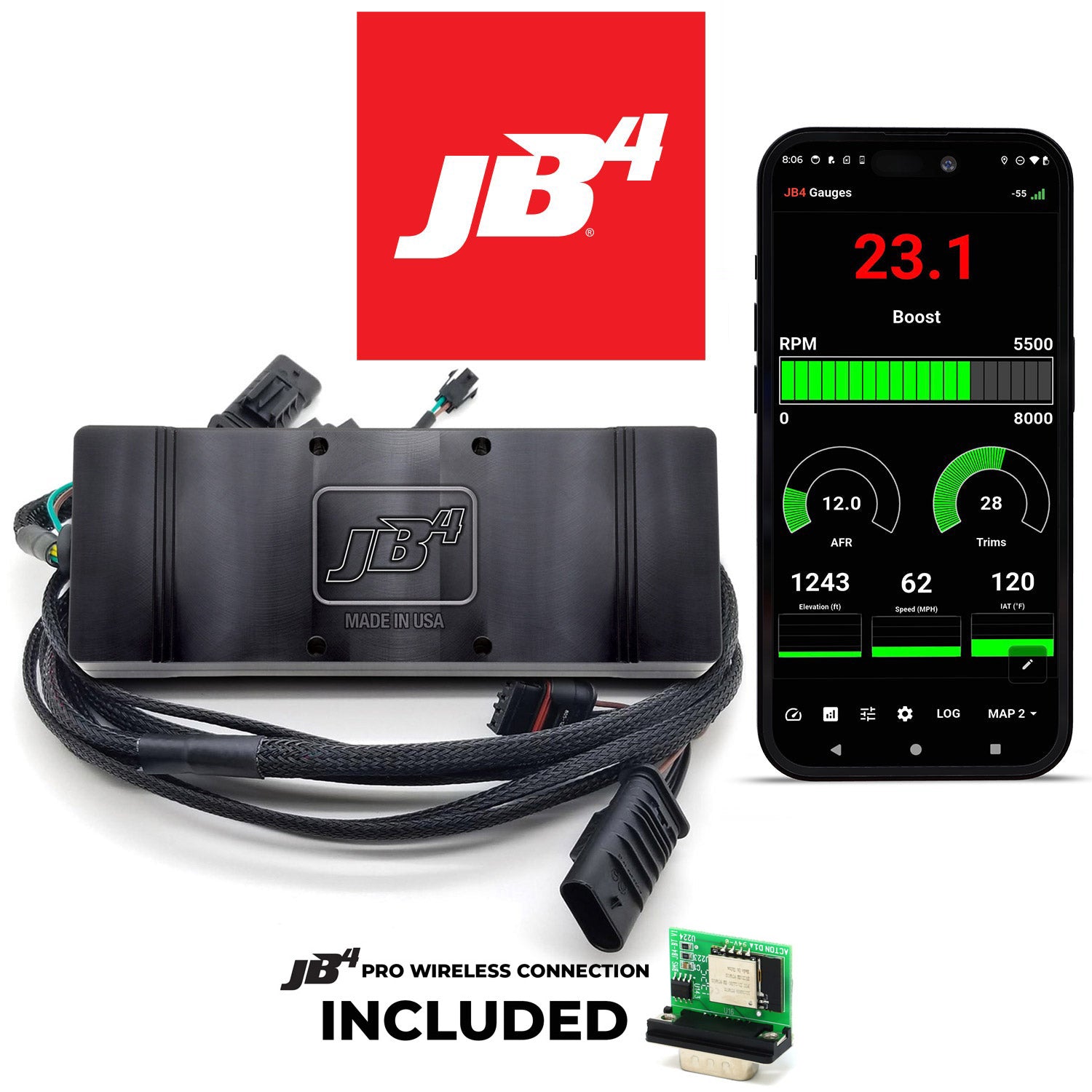
Burger claims up to 85 wheel horsepower and 120 wheel torque on a stock truck. Because nothing is flashed it is fully reversible and not VIN locked. If you wanted a flashed ECU calibration, this is not that.

The cheapest bolt-on for this engine. PPE states plainly that it is not a tuning device or a power adder on its own.

aFe claims +7 hp and +10 lb-ft. Flagged not CARB compliant and not legal for sale or use in California, per the manufacturer.
Where the honest data is, and where it is not
Most of this catalog has no tested numbers, and the rows say so rather than guessing. Only a handful carry a TESTED label, and every one of those tests was run by the manufacturer, not an independent lab. Most cat-backs, most tunes and fourteen of the fifteen header sets publish no number at all. No part here carries a RideBuildList estimate, so nothing is inferred.
A useful habit: when two products claim similar gains and one is dyno based while the other is not, prefer the smaller dyno number. K&N's boxed intake publishes 12.80 hp and 24.80 lb-ft from its own dyno testing. A different K&N intake claims a larger 19.07 hp and 19.37 lb-ft, but on a figure K&N itself labels estimated, meaning flow bench derived rather than measured.
What needs a shop
| Difficulty | Typical job | Do it yourself? |
|---|---|---|
| 1 to 2 | Intakes, tunes, cat-backs, tires | Yes, driveway work |
| 3 to 4 | Leveling kits, shocks, shorty headers | Maybe, with tools and time |
| 5 | Superchargers, injectors, most long tubes | No, book a shop |
Everything in the first build above sits at 1 or 2, apart from the ECM unlock service at 3. Intakes are 30 minutes to an hour, cat-backs 1 to 2 hours, handheld tunes about 30 to 45 minutes. The jump after that is steep: long tube headers run 8 to 10 hours or more, and supercharger kits 12 hours and up with pro installation strongly recommended on every one.

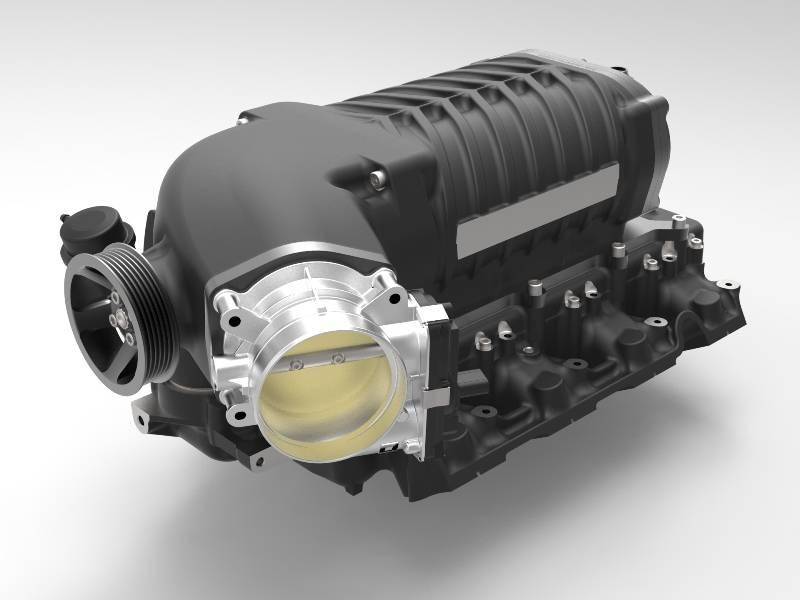
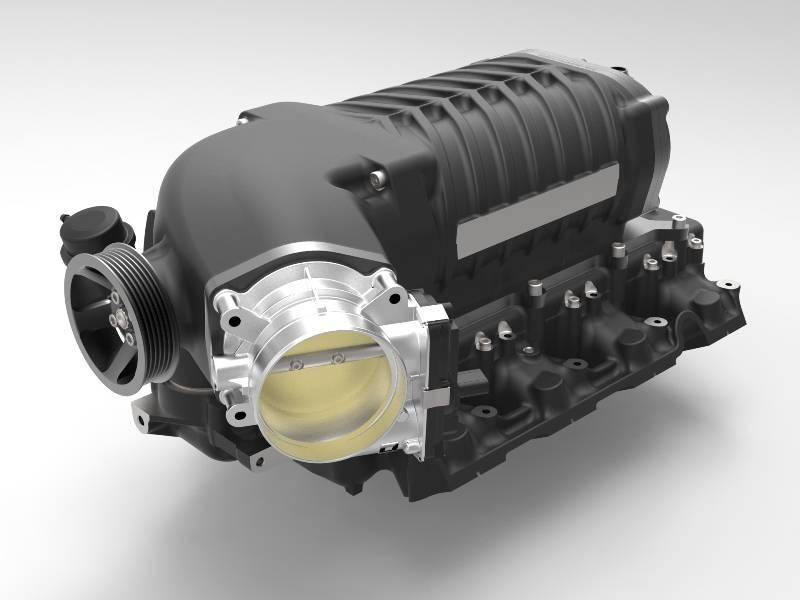
Two things to check first. One, computer generation: the two Whipple 5.3L kits are not interchangeable, one for the Global A computer in 2019-2022 trucks and one for Global B in 2023 and newer. The ProCharger row says to verify your VIN generation before ordering. Two, whether tuning is included. Magnuson's 5.3L kit is not.
What to skip, at least at first
Headers are the worst value for a first build. Almost none publish a power figure, they are 5 to 10 hour jobs, and several carry hard legal flags.
The first two are flagged not CARB legal, and the Stainless Works listing says it cannot ship to California. The cheapest way in is the BBK shorty set, still a 5 to 7 hour job on a claim with no dyno chart behind it.
High capacity injectors are support parts, not power parts.
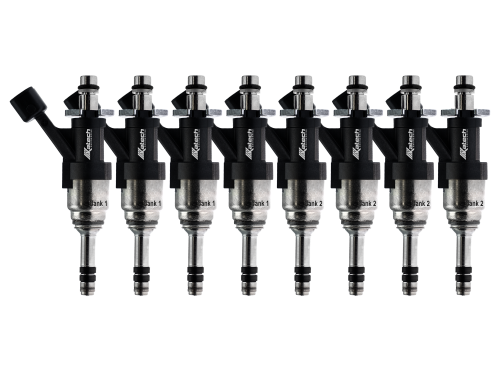
Katech rates these by flow capacity, not by gain. Getting power from them needs forced induction, supporting mods and a custom tune, on a difficulty 5 install.
Flex fuel, unless E85 is actually sold near you.
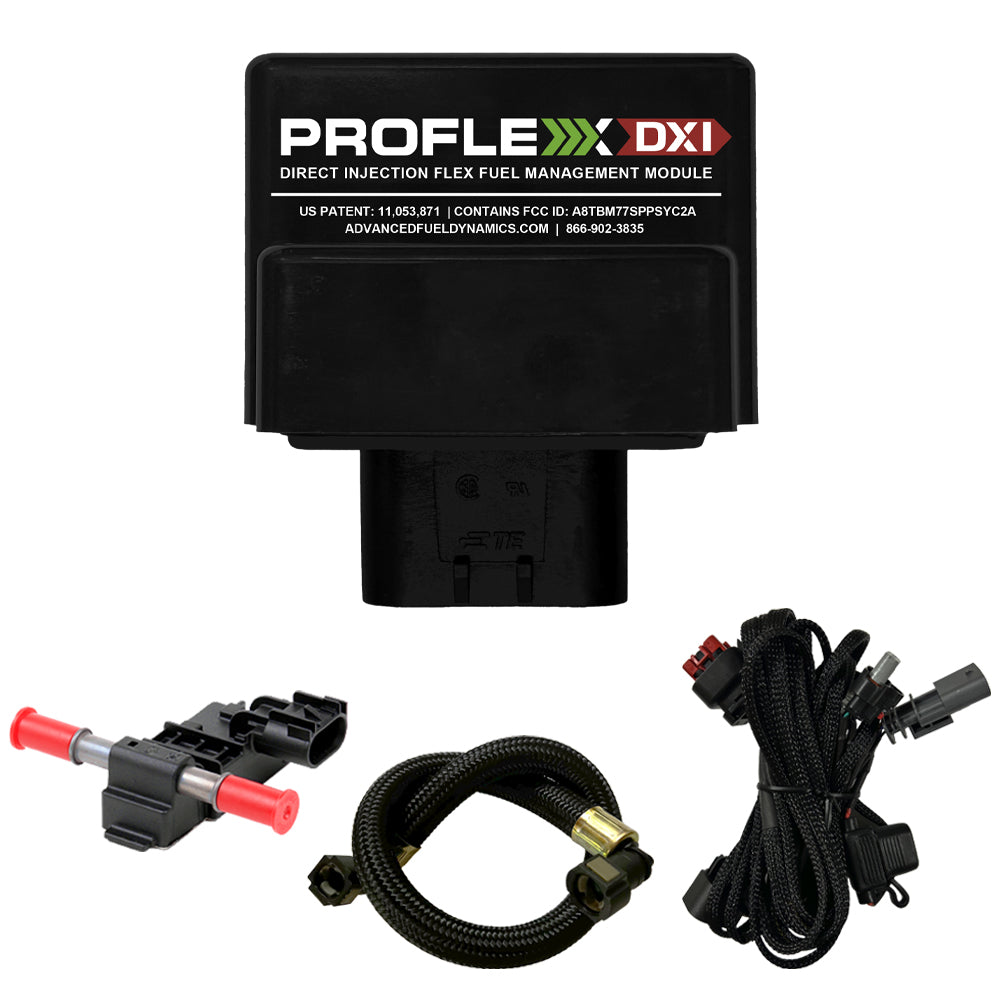
The retailer listing claims 40 to 45 wheel horsepower on E85, with no tune, injector or pump swap needed.
If stance is the goal instead
The 57 wheel, tire, suspension and lighting parts here fit any of the three engines, and none touch emissions.
The cheapest entry in the category. You keep the factory struts, so it does nothing for worn dampers, and it does not fit Adaptive Ride Control, Trail Boss, AT4 or ZR2 trucks. Get an alignment after.
Emissions and warranty
This is not legal advice, and rules vary by state. Three points straight off these rows.
Tunes and headers are where the flags cluster. Several tuners are marked not for sale in California, several header sets are marked not CARB legal, and one carries the manufacturer's own "for racing purposes only" language, meaning installing it eliminates legal use on public roads under the Clean Air Act.
Superchargers are the surprise. Several of the biggest kits carry CARB Executive Order numbers and are called 50 state legal by their makers, while a much cheaper header set is not. Price does not predict legality. Read the flag on the row.
Modifications can also affect powertrain warranty coverage, and several supercharger and flex fuel rows say so directly. Ask your dealer first, and keep your stock parts.